Why Your Wedding Timeline Doesn’t Need to Follow Tradition Anymore
Creating a relaxed, personal wedding day that truly feels like you
For many years, weddings followed a familiar structure.
The ceremony in the afternoon.
Drinks afterwards.
Dinner, speeches, first dances, and a dance floor to close the evening.
For some couples, that traditional wedding timeline still works beautifully.
But more and more couples now pause during the planning process and ask a simple question:
“Do we actually have to follow a traditional wedding timeline?”
And the honest answer is — no.
Your wedding timeline doesn’t have to follow a fixed formula. It can be shaped around what matters most to you, how you want the day to feel, and the experience you want to share with your guests.
Many modern couples are now designing wedding days that feel more relaxed, more personal, and far more enjoyable. Instead of automatically following tradition, they’re creating a modern wedding timeline that reflects their relationship and their priorities.
If you’ve ever felt a quiet pressure to structure your day a certain way simply because “that’s how weddings work,” it may help to know that things are changing.
Why Wedding Timelines Are Changing
Traditional wedding timelines were originally built around logistics.
Venues often had strict time limits.
Photographers relied heavily on daylight.
And weddings typically followed fairly formal etiquette.
Today, weddings often look very different.
Couples are increasingly prioritising:
• meaningful moments instead of rigid schedules
• time with guests rather than constant transitions
• personal choices instead of expected traditions
• a relaxed atmosphere rather than a tightly packed day
Because of this shift, many couples are gently reshaping their wedding day timeline — keeping the parts that feel meaningful and letting go of what doesn’t.
The result is often a wedding that feels calmer, more personal, and more memorable.
What a Traditional Wedding Timeline Looks Like
Many couples begin planning their day around a familiar structure:
- Getting ready separately
- Ceremony
- Cocktail hour while photos are taken
- Reception entrance
- Dinner service
- Speeches
- First dances
- Open dancing
- Grand exit
There’s absolutely nothing wrong with this format.
But it’s important to remember that this traditional wedding timeline is only one option. Your day can unfold in many different ways.
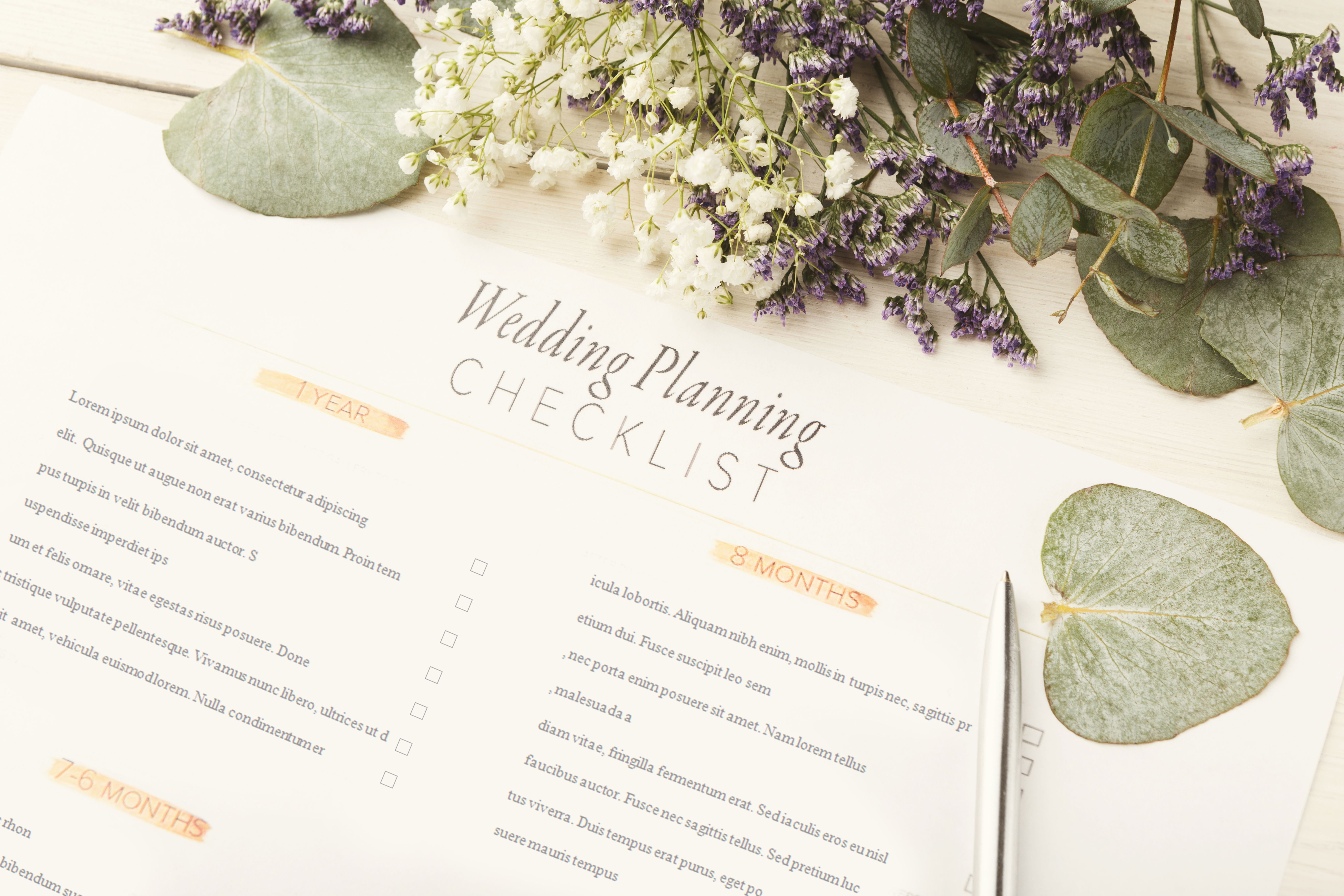
Why Couples Are Choosing a Different Wedding Timeline
More Time With Their Guests
One of the most common things couples say after their wedding is:
“We wish we’d had more time to speak to everyone.”
When a wedding timeline is tightly packed, couples often spend hours moving between photos, formalities, and scheduled moments.
Adjusting the timeline slightly can create more space for conversations, laughter, and connection with the people who matter most.
Less Stress, More Presence
A rigid timeline can make the day feel rushed.
When every moment is scheduled down to the minute, even small delays can create unnecessary anxiety.
A more flexible wedding day timeline allows space for emotional moments, unexpected delays, and the simple joy of being present in the day itself.
For many couples, that shift alone changes the entire experience of the wedding.
Traditions Don’t Always Reflect Modern Relationships
Some traditions simply don’t resonate with every couple.
Things like bouquet tosses, garter tosses, or formal receiving lines may feel more performative than meaningful.
Many couples now choose to keep the traditions that matter most to them and gently remove the rest.
This approach often creates a more authentic modern wedding timeline.
Modern Wedding Timeline Ideas Couples Love
If you’re considering something slightly different from the traditional structure, there are many ways to create a wedding timeline that feels natural and relaxed.
Here are a few ideas couples often love.
A First Look Before the Ceremony
A first look allows couples to see each other privately before the ceremony begins.
This often means many portraits can be taken earlier in the day, which creates a more relaxed wedding timeline overall.
It can also mean:
• more relaxed photo time
• joining guests during cocktail hour
• less pressure after the ceremony
Many couples say this becomes one of the most emotional moments of their wedding day.
Drinks Before the Ceremony
Some couples now host drinks or a relaxed gathering before the ceremony itself.
This creates a welcoming arrival experience where guests can mingle and settle in naturally before the ceremony begins.
It can work beautifully for evening weddings or venues with a sunset ceremony setting.
Private Vows
For couples who feel nervous sharing deeply personal vows in front of a large crowd, private vows have become increasingly popular.
The ceremony still holds all the meaning and significance — but the most personal words are shared quietly between the couple beforehand.
For many people, this becomes one of the most treasured moments of the day.
Extended Cocktail Time or Lounge Spaces
Instead of rushing guests between activities, some couples extend their drinks reception or create relaxed lounge areas.
Guests can talk, explore the venue, and enjoy the atmosphere without feeling hurried.
This creates a more social and comfortable flow within the wedding day timeline.
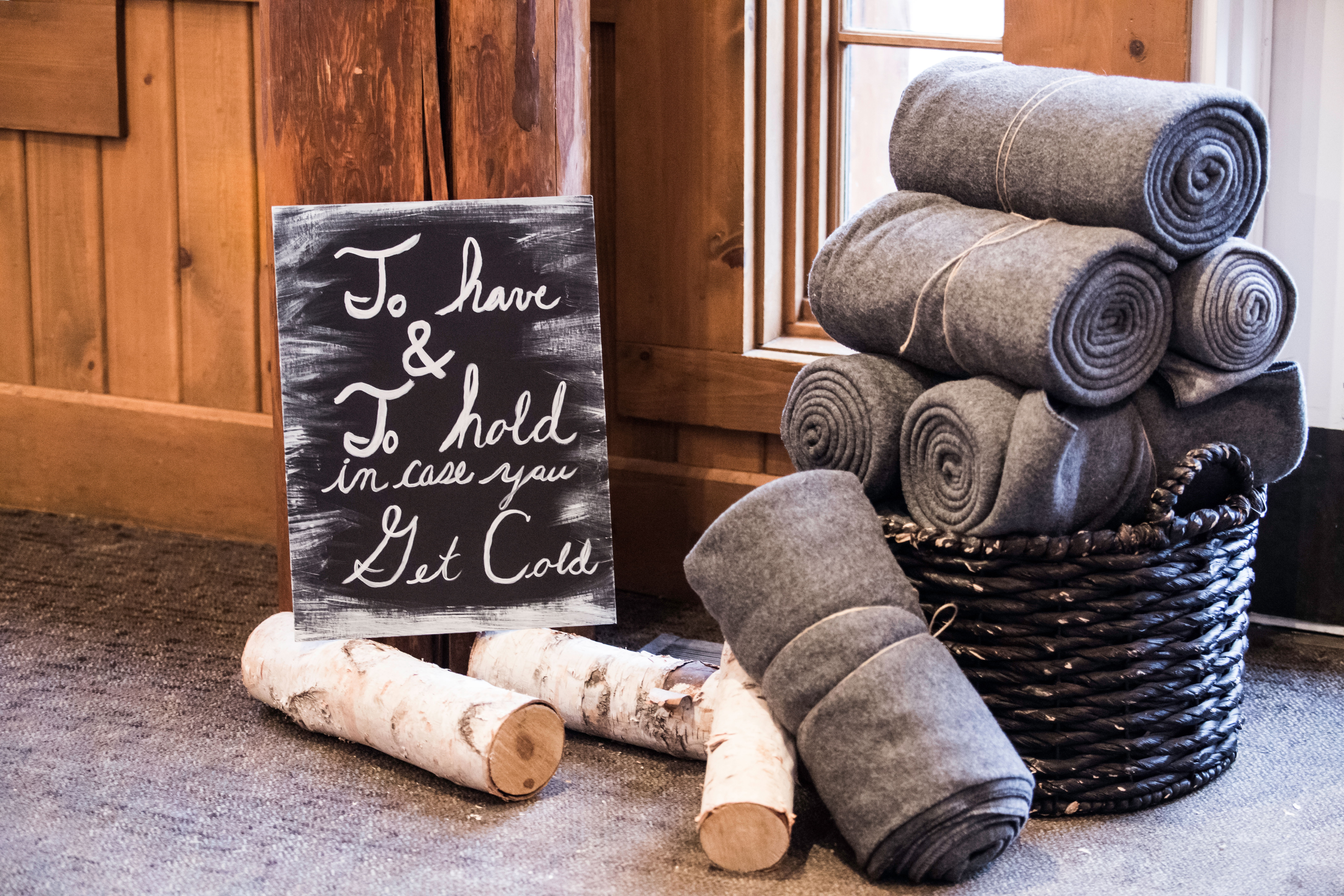
Non-Traditional Receptions
Not every wedding needs a five-hour dance party.
Some couples choose:
• dinner-party style receptions
• earlier finishing times
• dessert and dancing instead of formal courses
• an after-party at another location
The focus shifts from tradition to experience.
How to Build a Wedding Timeline That Works for You
The best wedding timelines start with your priorities — not expectations.
A few simple questions can help guide the process:
• What part of the day matters most to us?
• Do we want a relaxed gathering or a lively celebration?
• When do we feel most comfortable socially?
• Would we like private moments built into the day?
Once these answers are clear, the structure of the day often becomes much easier to plan.
As a celebrant, I often help couples think about how the ceremony fits naturally into the rhythm of their day, ensuring the wedding timeline feels smooth and comfortable rather than rushed.
Common Concerns About Non-Traditional Wedding Timelines
Many couples worry about stepping away from tradition.
Here are a few concerns that often come up.
Will guests be confused?
Usually not.
Clear communication through invitations, wedding websites, or simple signage makes the flow of the day easy for guests to follow.
Will it feel less formal?
Not necessarily.
A thoughtfully designed wedding timeline often feels more elegant because the day flows naturally.
Are we allowed to skip traditions?
Yes.
Your wedding isn’t a checklist of traditions you must complete.
It’s a celebration of your relationship.
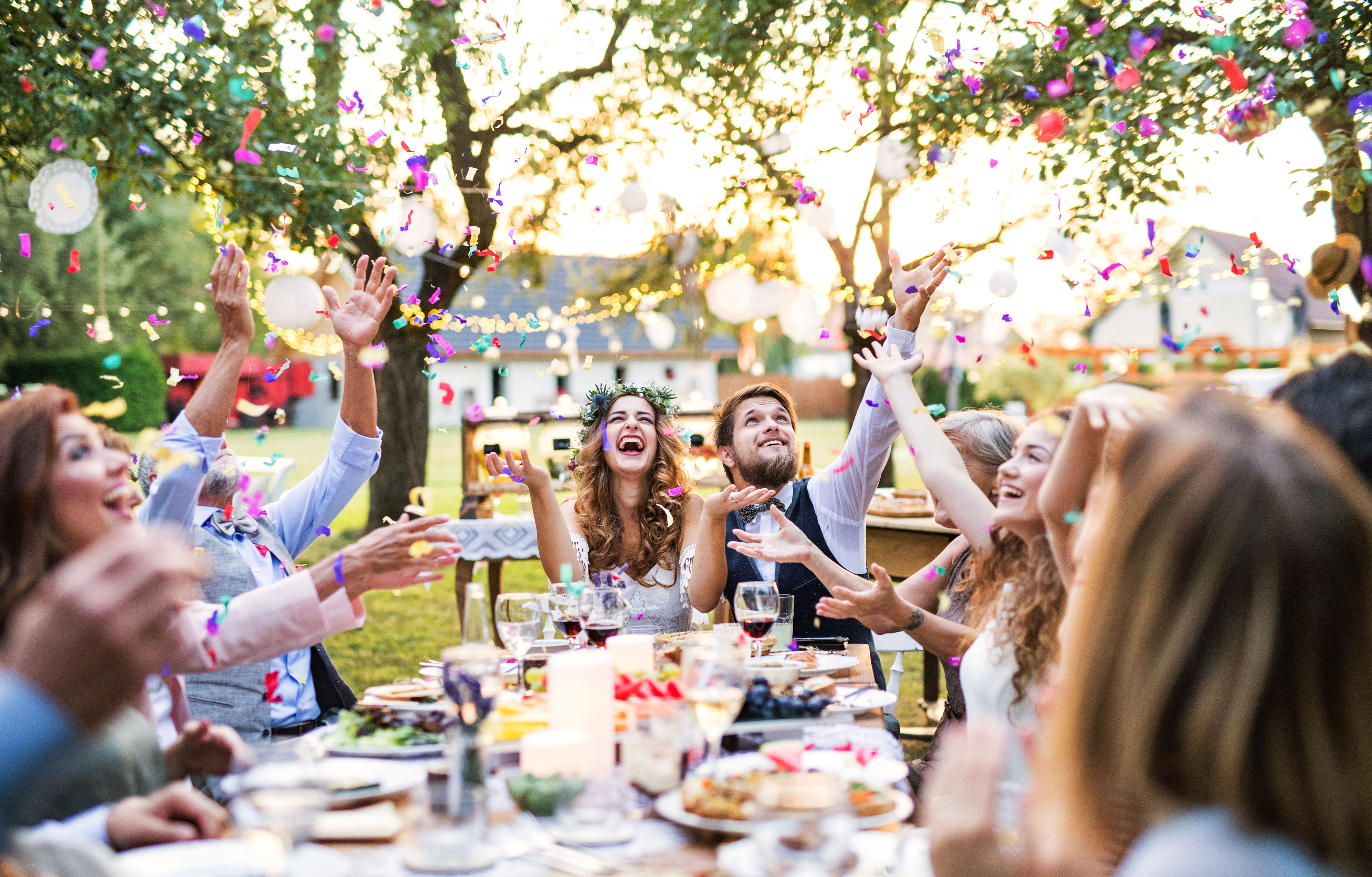
Examples of Modern Wedding Timelines
Here are a few examples of wedding day structures couples are increasingly choosing.
A Relaxed Evening Wedding Timeline
• Late afternoon ceremony
• Sunset cocktail hour
• Dinner and speeches
• Dancing under evening lighting
An Intimate Wedding Experience
• First look and private vows
• Short ceremony
• Long shared dinner
• Late-night dessert and conversation
A Celebration-Focused Wedding
• Earlier ceremony
• Minimal formalities
• Extended dancing and entertainment
• After-party continuation
Each approach creates a different atmosphere while still feeling intentional.
The Real Goal: A Wedding Day That Feels Like You
The most memorable weddings aren’t the ones that perfectly follow tradition.
They’re the ones where the couple feels relaxed, connected, and genuinely happy.
Guests can sense when a couple feels comfortable in their wedding timeline. The energy becomes contagious.When you remove the pressure to follow rules that don’t feel right, your wedding naturally becomes more meaningful.
Final Thoughts
Traditional wedding timelines exist for a reason.
But they are no longer the only path.
Modern weddings are evolving to reflect real relationships, real personalities, and real priorities.
If something doesn’t feel right for your wedding timeline, you are allowed to change it.
The best timeline isn’t the most traditional one.
It’s the one that allows you to be fully present for the moments that matter most.
Because at the end of the day, your wedding should feel like a celebration — not a schedule.
A Gentle Next Step
Planning your wedding timeline can feel surprisingly overwhelming at first.
There are so many moving parts — venues, photography, guests, food, and of course the ceremony itself.
One of the things I often help couples with is thinking about how the ceremony fits naturally into the rhythm of the day, so the wedding timeline feels relaxed rather than rushed.
Sometimes that means adjusting the timing slightly.
Sometimes it means creating space for a quiet moment before the ceremony.
And sometimes it simply means helping couples feel confident doing things their own way.
If you're beginning to think about your ceremony and how it might fit into your day, you're always welcome to get in touch for a relaxed conversation.
No pressure — just a chance to talk through ideas and see what feels right for you.
Common Questions About Wedding Timelines
Do we have to follow a traditional wedding timeline?
No. Many couples now choose a wedding timeline that reflects their personalities and priorities rather than following a fixed structure. Traditions can still be included, but they’re completely optional.
What is a typical wedding day timeline?
A traditional wedding timeline often includes a ceremony, drinks reception, dinner, speeches, and dancing. However, modern weddings are often more flexible, allowing couples to structure the day in a way that feels relaxed and personal.
Can we change the order of events on our wedding day?
Yes. Many couples now move parts of the day around — such as having a first look before the ceremony or extending the drinks reception — to create a smoother and more enjoyable flow.
How do we create a relaxed wedding timeline?
Start by thinking about what moments matter most to you as a couple. From there, your venue, celebrant, and other wedding professionals can help design a timeline that allows enough time for those moments without feeling rushed.
Should the ceremony come before or after drinks?
Traditionally the ceremony comes first, but some couples now welcome guests with drinks before the ceremony. Both options can work beautifully depending on the atmosphere you want to create.
Can a celebrant help with our wedding timeline?
Yes. While planners and venues often coordinate the overall schedule, celebrants regularly help couples shape the ceremony so it fits naturally into the rhythm of the day and feels relaxed rather than rushed.
You might also find these helpful:
- How to Write Wedding Vows That Feel Natural
- What Happens During a Wedding Ceremony
- How Long Should a Wedding Ceremony Be?
- How Much Does a Celebrant Cost?
- How to Write Wedding Vows That Feel Natural